

![越前漆器 金羊歯絵 富士型椀 12cm/300ml [食洗機対応] 朱内黒 Echizen Studio1156](http://www.studio1156.com/cdn/shop/products/M02-08319.PT00.jpg?v=1588173659&width=3840)


![有田焼 Rカトラリーレスト 11cm [当店オリジナル] Fukuju Studio1156](http://www.studio1156.com/cdn/shop/products/F03-06577.PT01.jpg?v=1614757060&width=3840)




What's the difference between porcelain and pottery?
Do you know the difference between porcelain and pottery?
Tableware, which is referred to by various names such as pottery, porcelain, and ceramics, has different names and care methods depending on its main raw material. Knowing their respective characteristics can help you choose the right vessels.
Differences between Porcelain and Pottery
Tableware is often commonly called "pottery," but when viewed as a material, it is broadly divided into "porcelain" and "pottery."
The term "pottery" used here refers to "ceramics in general" and has a slightly different meaning than "pottery" as a material.

Porcelain (jiki) uses stone as its main raw material. It is also called "ishimono" (stone ware). Arita ware, Imari ware, Hasami ware, and Kutani ware are typical examples.
It is thin, light, and has a dignified appearance. When flicked with a finger, it produces a high, metallic sound.

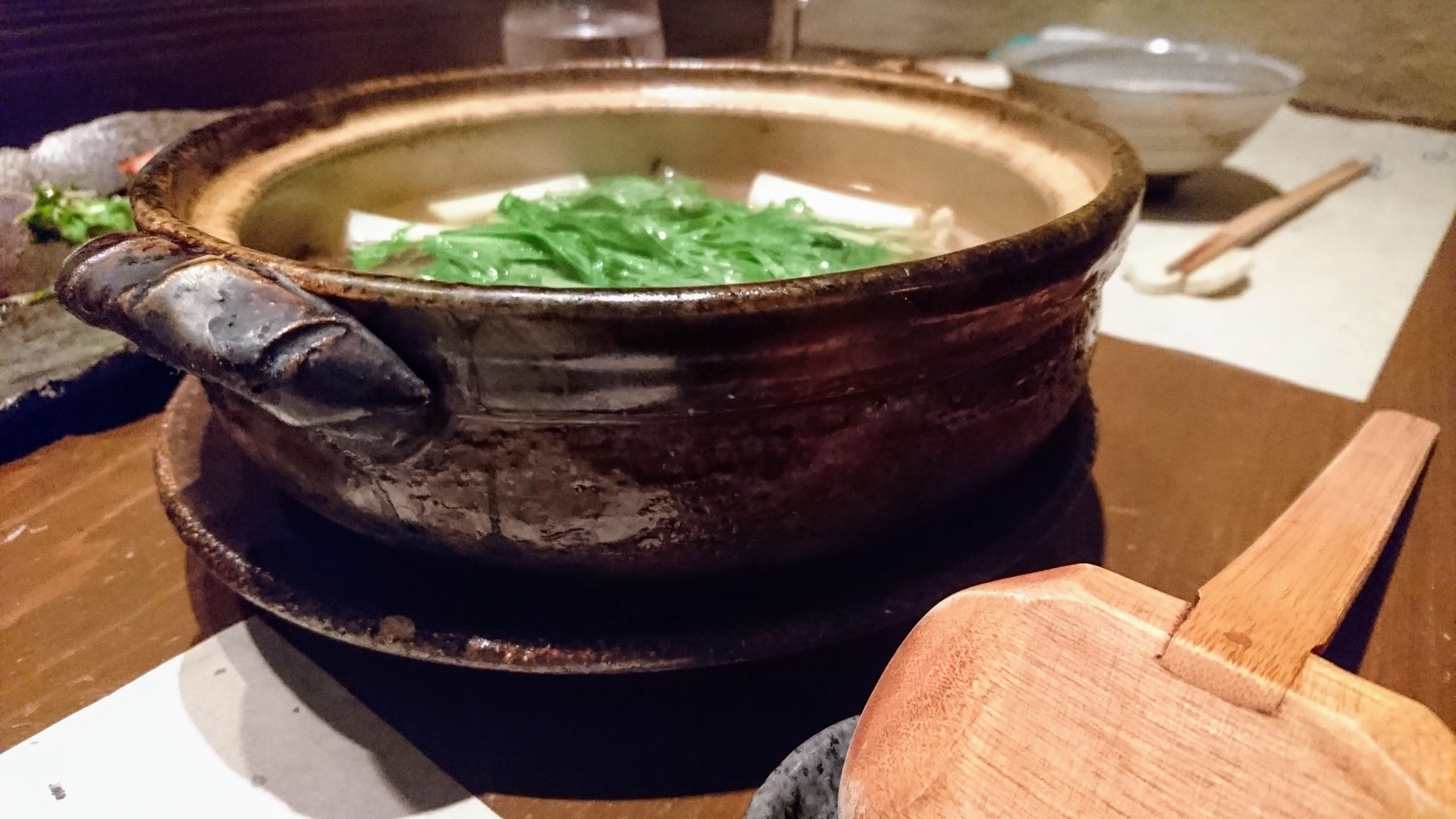
Pottery (touki) uses clay as its main raw material. It is also called "tsuchimono" (clay ware). Mashiko ware, Hagi ware, and Satsuma ware are typical examples.
It is thick and characterized by a rustic and warm texture. When flicked with a finger, it produces a dull sound.
We introduce easy ways to distinguish between porcelain and pottery in How to distinguish between porcelain and pottery. Also, be sure to check out Care methods by material.
Share