

![波佐見焼 いれこ碗(大) ラーメン丼 16cm/800ml [窯変ver/3 Colors] IREKO Studio1156](http://www.studio1156.com/cdn/shop/collections/I12-15582.PT04.jpg?v=1789801571&width=3840)


![波佐見焼 コンディメント からし入れ [薬味サジ付] Hakusan Studio1156](http://www.studio1156.com/cdn/shop/collections/kitchenware_studio1156.jpg?v=1789799630&width=3840)
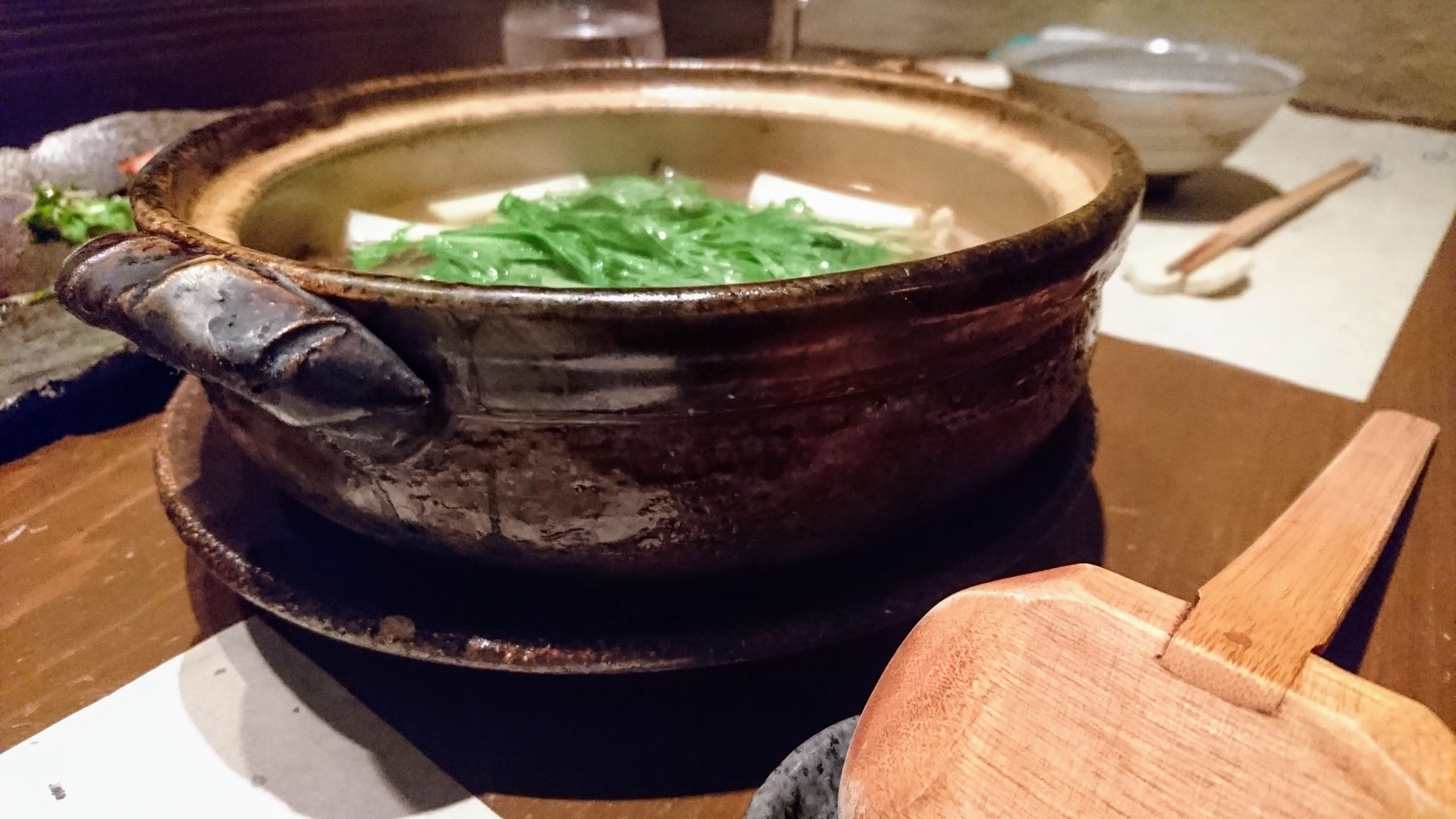


What is Ceramics?
Ceramics is a general term for products made by forming and firing clay or pottery stone, such as earthenware and porcelain.
While the term "ceramics" is broadly used in everyday conversation with expressions like "yakimono" (pottery), "fragile items," or "setomono," academically it is classified into four categories: "earthenware," "porcelain," "pottery," and "stoneware."
-
Earthenware – Primarily made from clay, it is porous and fired at a relatively low temperature (approx. 1,000–1,200°C). It is also called "clayware." Examples include Karatsu ware and Yachimun.
-
Porcelain – Primarily made from stone, it is white and hard, has almost no water absorption, and is fired at a high temperature (approx. 1,300°C). It is also called "stoneware." Examples include Arita ware, Hasami ware, and Kutani ware.
-
Pottery – Represented by Jomon pottery, these are unglazed vessels fired at low temperatures (approx. 600–900°C).
-
Stoneware – Possessing characteristics intermediate between earthenware and porcelain, it is fired at high temperatures to become semi-porcelainous, with almost no water absorption but opaque. There are unglazed stoneware and glazed stoneware; Bizen ware is unglazed stoneware.
Share