



![越前漆器 金羊歯絵 富士型椀 12cm/300ml [食洗機対応] 朱内黒 Echizen Studio1156](http://www.studio1156.com/cdn/shop/products/M02-08319.PT00.jpg?v=1588173659&width=3840)


![有田焼 Rカトラリーレスト 11cm [当店オリジナル] Fukuju Studio1156](http://www.studio1156.com/cdn/shop/products/F03-06577.PT01.jpg?v=1614757060&width=3840)




Care Guides by Material
Handling Porcelain Products

Porcelain is a type of pottery primarily made from pottery stone. It is fired at high temperatures around 1300 degrees Celsius, resulting in low absorbency and easy handling.
[Before First Use]
To remove dust and dirt, wash thoroughly with dish soap and a soft sponge, or in a dishwasher, as you would with regular dishes.
[When Stained]
Stains such as tea rings may appear with use. For porcelain, you can remove stains by soaking it in dish bleach and then rinsing it thoroughly with hot water.
However, it is best to avoid using bleach on items with gold or silver decoration, as the color may fade.
[Usage Guidelines]
Direct Flame
Avoid direct flame use.
Oven
Can be used. However, avoid sudden temperature changes such as placing a chilled item from the freezer directly into a hot oven.
Microwave
Can be used. However, items with gold or silver decoration cannot be used.
Freezer
Can be used. However, avoid sudden temperature changes such as placing a chilled item from the freezer directly into a hot oven.
Dishwasher
Can be used. However, frequent and prolonged use of detergent in a dishwasher may cause overglaze decoration, gold, or silver decorations to fade.If you wish to preserve the color and design for a long time, handwashing is recommended.
Also, small and light items such as sake cups may be displaced by water pressure inside the dishwasher, leading to damage, so handwashing is recommended.
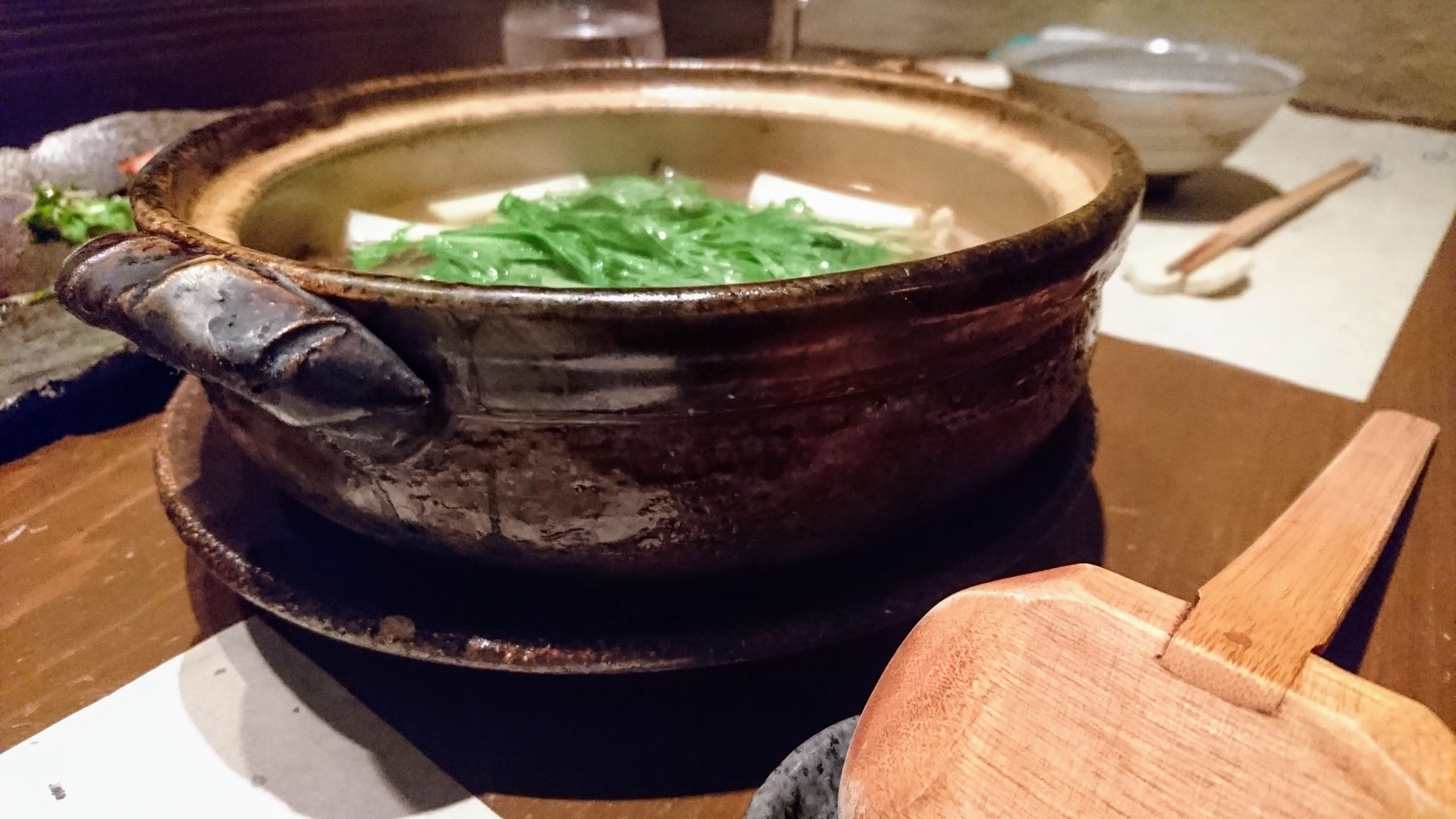
Handling Earthenware Products

Earthenware is made from clay, making it absorbent. To ensure its longevity, we provide detailed instructions from pre-use preparation to daily care.
1. Preparation Before Use
Because the clay is rough and highly absorbent, food odors and stains may occur if used as is. By performing an extra step called "Medome" (pre-treatment) before initial use, it becomes less prone to stains and odors and becomes more durable.
Medome Method
- Pour enough rice water into a pot to completely submerge the earthenware. If you don't have rice water, you can substitute it with 2-3 tablespoons of flour dissolved in water. *It is recommended to treat items one by one to prevent them from hitting each other and breaking in the pot.
- Place the earthenware in the pot and heat over medium heat. Once it boils, reduce to low heat and simmer for 15-20 minutes.
- After turning off the heat, leave the earthenware in the pot until it has completely cooled down. Sudden temperature changes can damage earthenware.
- Remove from the pot, rinse thoroughly with clean water, and then air dry.
If Medome is difficult, soak the item in water for about half a day until it is fully saturated, then wipe off excess water before use.
Base Treatment
The "kodai" refers to the base part at the bottom of the vessel. If the underside of the kodai is rough, it can scratch tables or other dishes when stacked. If you notice roughness, you can reduce it by rubbing the bases against each other. If the roughness is significant, rubbing it with sandpaper (fine-grit #280 to #400 is recommended) is also an effective method.
2. Daily Care and Precautions for Use
- Care: After use, immediately wash with a soft sponge and neutral detergent, wipe off moisture thoroughly, and dry completely.
- Soaking: Avoid soaking as it can cause stains, mold, and odors.
- Drying: If stored in a cupboard before being completely dry, mold may grow. Dry thoroughly in a well-ventilated area.
- Microwave: Can be used for warming, but sudden temperature changes can cause cracks. Avoid prolonged use.
- Dishwasher: Can be used, but be careful of damage from strong water pressure or contact with other dishes.
- Oven/Direct Flame: Never use. This can break the earthenware and is very dangerous.
- Sudden Temperature Changes: Placing hot earthenware in cold water or rapidly heating cold earthenware can lead to cracks and breakage.
- Storage: The bottom of earthenware can scratch tables and lacquerware. When stacking, it is recommended to place a cloth or similar material between items.
[If Stains or Odors Become a Concern]
- Use a dishwasher. *Ensure there is sufficient space in the dishwasher to prevent dishes from hitting each other.
- After using the dishwasher, the item will be completely dry, so soak it in water again before use.
- If you notice an odor when using it after a long time, boiling can also be effective. *To prevent damage from dishes hitting each other during boiling, it is recommended to handle them one by one if possible.
[Usage Guidelines]
Direct Flame
Avoid direct flame use.
Oven
Not recommended for use.
Microwave
Can be used. However, items with gold or silver decoration cannot be used.
Freezer
Can be used. However, avoid sudden temperature changes such as placing a chilled item from the freezer directly into a hot oven.
Dishwasher
Not recommended for use. After handwashing, do not leave it to air dry; wipe off moisture with a cloth and then dry.
Handling Lacquerware Products

[Before First Use]
If you are concerned about the smell of lacquer, remove it from the box and place it in a well-ventilated area out of direct sunlight.
[Care]
Handwash with a soft sponge and neutral detergent.
[When Storing]
For long-term storage, keep it in a well-ventilated area away from direct sunlight.
[Usage Guidelines]
Direct Flame, Oven, Microwave, Freezer, Dishwasher
Avoid use.
Handling Wooden Products

[Before First Use]
If you are concerned about the odor, remove it from the box and place it in a well-ventilated area out of direct sunlight.
[Care]
Wash with a soft sponge and neutral detergent. After washing, it is recommended to wipe off moisture with a soft cloth.
[Usage Guidelines]
Direct Flame, Oven, Microwave, Freezer, Dishwasher
Avoid use.
Handling Glass Products
[Before First Use]
Wash with a soft sponge and neutral detergent.
[Care]
Wash with a soft sponge and neutral detergent.
[Usage Guidelines]
Direct Flame, Oven, Microwave, Freezer, Dishwasher
Avoid use.
Glass products may break due to sudden temperature changes. Avoid rapid heating and cooling, such as pouring cold liquids into warm glass or hot water into cold glass.
[When Storing]
Do not stack with other items. This may cause breakage or make them impossible to separate.
Handling Straw Products
[Care]
- Avoid washing with water; wipe off moisture with a dry cloth.
- Being made of natural straw, small fibers may shed during initial use.
- Some slightly burnt areas may be visible, but these are necessary in the manufacturing process and do not affect quality.
- The color will change over time due to aging. Placing hot pots or frying pans on it for extended periods may leave scorch marks.